1. Overview
The Digilent Zybo Z7-10 is a feature-rich, ready-to-use embedded software and digital circuit development board. It provides a comprehensive set of multimedia and connectivity peripherals, making it a versatile single-board computer solution.
Built around the Xilinx Zynq-7000 AP SoC, the board integrates a 650MHz dual-core Cortex-A9 processor with a DDR3 memory controller and 8 DMA channels. This combination of processing system and programmable logic offers a powerful platform for various applications.

Figure 1: Digilent Zybo Z7-10 Development Board and its packaging.
2. Installatie en eerste configuratie
To begin using your Zybo Z7-10 development board, follow these steps for proper setup:
- Stroomaansluiting: Connect the board to a power source using either the USB port or a 5V barrel jack connector. Ensure the power supply meets the board's requirements.
- USB-verbinding: For communication with a host computer, connect the board via a USB cable to an available USB port. This connection is typically used for programming and debugging.
- Video-uitvoer (optioneel): If your application requires video output, connect an HDMI display to the board's HDMI TX port.
- Audioverbindingen (optioneel): For audio input or output, connect appropriate audio devices to the MIC IN, LINE IN, or HPH OUT (headphone out) jacks.
- Pmod Connectors (Optional): Utilize the six Pmod connector ports for expanding functionality with various peripheral modules.
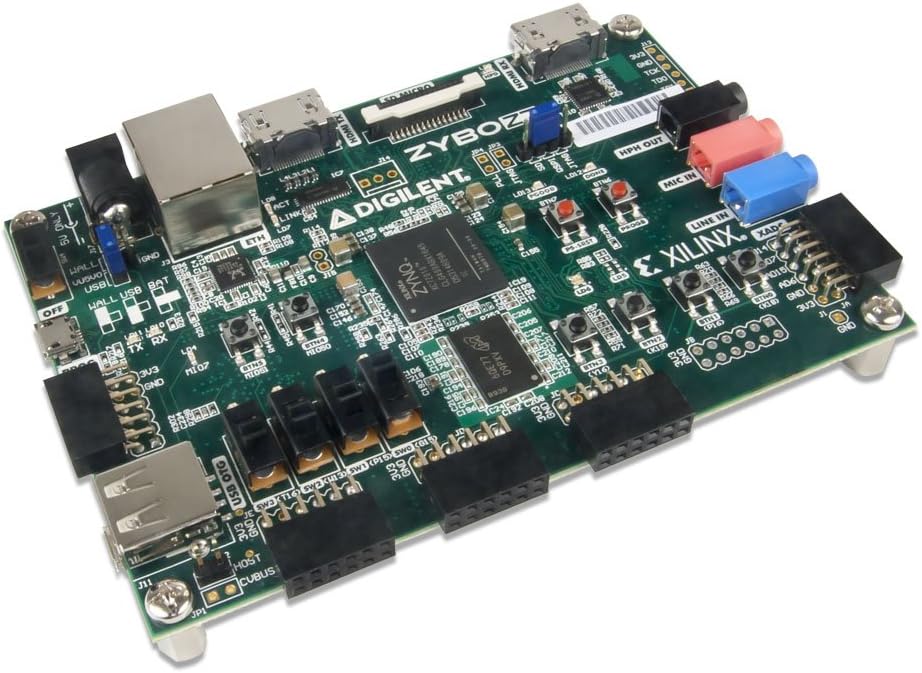
Figuur 2: Zijkant view of the Zybo Z7-10 board highlighting connectivity options.

Figuur 3: Top-down view of the Zybo Z7-10 board, detailing component layout.
3. Operating the Board
The Zybo Z7-10 offers various on-board user interfaces and extensive I/O for development:
- Gebruikersinterfaces: The board includes 6 push buttons, 4 slide switches, 5 LEDs, and 2 RGB LEDs for direct user interaction and status indication.
- FPGA I/O: Over 30 FPGA I/O pins are available for custom connections and interfacing with external circuits.
- Analoog-naar-digitaal conversie: Four analog-capable 0-1.0V differential pairs connect to the XADC, enabling analog signal processing.
3.1. FPGA Programming
The Zynq-7000 AP SoC on the Zybo Z7-10 can be programmed via JTAG for volatile configuration or through the on-board QSPI flash memory for non-volatile storage of your designs. Development typically involves Xilinx Vivado Design Suite.
For detailed programming instructions and examples, refer to the official Digilent documentation and tutorials available on their webplaats.
4. Technische specificaties
| Functie | Detail |
|---|---|
| Verwerker | Xilinx Zynq-7000 AP SoC (XC7Z010-1CLG400C) with 650MHz dual-core ARM Cortex-A9 |
| RAM | DDR3L, 1 GB installed size |
| Besturingssysteem | Linux (supported) |
| Draadloos type | 802.11b |
| Artikelgewicht | 4 ons |
| Productafmetingen | 6 x 8 x 3 inch |
| Energiebron | See product details (USB or barrel connector) |
| On-board User Interfaces | 6 push buttons, 4 slide switches, 5 LEDs, 2 RGB LEDs |
| Uitbreiding | 6 Pmod connector ports, >30 FPGA I/O, 4 Analog capable 0-1.0V differential pairs to XADC |
5. Onderhoud en verzorging
To ensure the longevity and proper functioning of your Zybo Z7-10 board, observe the following maintenance guidelines:
- Behandeling: Always handle the board by its edges to avoid touching components, especially the FPGA chip, which can be sensitive to electrostatic discharge (ESD).
- Opslag: Store the board in an anti-static bag when not in use, and keep it in a dry, dust-free environment.
- Schoonmaak: Reinig het bord indien nodig voorzichtig met een zachte, droge borstel of perslucht om stof te verwijderen. Vermijd het gebruik van vloeistoffen of schurende reinigingsmiddelen.
- Uitschakelen: Always disconnect power before making or changing any connections to the board.

Afbeelding 4: Bodem view of the Zybo Z7-10 board, showing mounting points.
6. Probleemoplossing
If you encounter issues with your Zybo Z7-10 board, consider the following common troubleshooting steps:
- Geen stroomindicatie:
- Verify that the power supply is correctly connected and providing the specified 5V.
- Controleer of de stroomkabel beschadigd is.
- Problemen met de USB-verbinding:
- Ensure the USB cable is securely connected to both the board and the host computer.
- Probeer een andere USB-poort of -kabel.
- Install or update the necessary USB drivers for the Zynq device.
- FPGA Not Programming:
- Confirm that the JTAG chain is correctly connected and recognized by your development software (e.g., Xilinx Vivado).
- Ensure the correct bitstream or programming file is geselecteerd.
- Check for any error messages in the development software console.
- Software/Firmware Problems:
- Refer to Digilent's official support resources for specific software setup and known issues.
- Ensure your development environment (e.g., Vivado) is up to date.
7. Garantie en ondersteuning
For warranty information, technical support, and additional resources, please visit the official Digilent website. Digilent provides extensive documentation, tutorials, and community forums to assist users with their development boards.
Fabrikant: Digilent
Online bronnen: www.digilentinc.com


